
A steel plant cannot use the same ferro manganese grade for every order. Stainless steel, construction steel and engineering steel may have different chemical requirements. The carbon content of the ferro manganese used during alloying is therefore an important consideration.
Ferro manganese supplies manganese to molten steel and can contribute to deoxidation during steelmaking. Manganese also interacts with sulphur in steel, but the outcome depends on the overall steel chemistry and production process. The key is to add the required manganese while keeping the finished steel within its specified chemical limits.
Low-, medium- and high-carbon ferro manganese differ in their carbon contribution. The appropriate grade depends on the target steel composition, the manganese requirement and the conditions of the steelmaking process.
Low-Carbon Ferro Manganese:
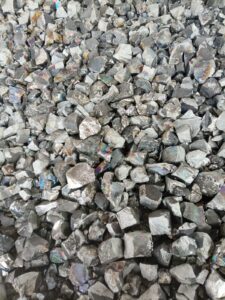
When a steel grade has a strict carbon limit, using an alloy with a higher carbon contribution can make it harder to achieve the required composition. Low-carbon ferro manganese supplies manganese while introducing comparatively little carbon.
It is used in selected stainless steel grades, special steels and other applications where carbon levels need close control. Examples include:
- Stainless steel production: Used in suitable grades where manufacturers need to control carbon during alloying.
- Special steel manufacturing: Helps steelmakers meet specific chemical composition requirements.
- Automotive steel: Can be used for selected components when the steel specification calls for controlled carbon and manganese levels.
- Engineering applications: Supports the production of certain steels designed for particular mechanical and processing requirements.
The key advantage is straightforward: manufacturers can introduce manganese without adding as much carbon as they would with a high-carbon grade.
Medium-Carbon Ferro Manganese:

Some steel grades permit a higher carbon contribution than low-carbon grades while still requiring controlled chemistry. Medium-carbon ferro manganese can be suitable in these cases, subject to the alloy’s actual composition and the target steel specification.
Potential applications include:
- Special-purpose steels: For grades that need a controlled balance of manganese and carbon.
- Engineering steel: For products manufactured to defined chemical and mechanical specifications.
- Automotive components: For selected steel grades where the alloy composition is suitable.
- Machinery manufacturing: For steel used in industrial equipment and mechanical components.
The term “medium-carbon” alone does not establish whether an alloy is suitable for a particular application. Buyers should confirm the carbon and manganese ranges, along with any other specified elements, before selecting a grade.
High-Carbon Ferro Manganese:
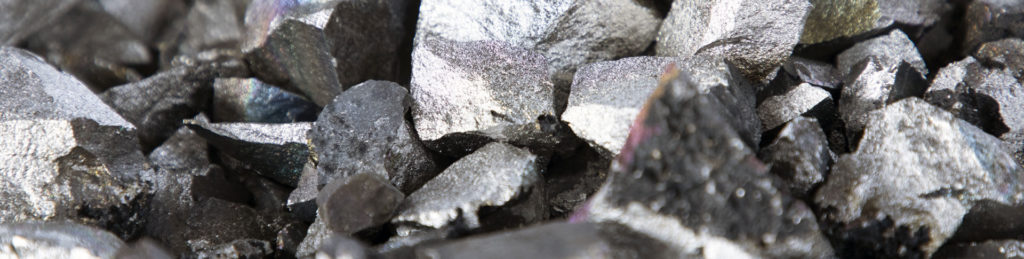
High-carbon ferro manganese is widely used in conventional steelmaking to supply manganese where the steel grade can accommodate its carbon contribution. Its suitability depends on the permitted carbon level and the composition required in the finished steel.
Typical applications include:
- Construction and infrastructure steel: Used in suitable grades where the carbon contribution falls within the permitted limits.
- General carbon steel: Supplies manganese during the production of many conventional steel grades.
- Railway and engineering steel: Used when the required steel composition permits its carbon content.
- Selected wear-resistant steels: Can be considered for grades whose specifications allow the resulting carbon and manganese levels.
- General steelmaking: Serves as a manganese addition and may contribute to deoxidation, depending on the process.
High-carbon ferro manganese is not automatically suitable for every steel plant or steel grade. Selection should account for the carbon limit, manganese requirement, other raw materials and the overall production process.
How Do the Three Grades Differ?
The key distinction is the amount of carbon introduced alongside manganese. The descriptions below are general guidance; actual chemical limits vary by supplier specification and product grade.
| Ferro manganese grade | Main consideration | Typical applications |
| Low-carbon | Strict control of carbon addition | Selected stainless and special steels |
| Medium-carbon | Use where a controlled but higher carbon contribution is acceptable | Selected engineering and special steels |
| High-carbon | Higher carbon contribution is acceptable | Conventional carbon steel and other suitable grades |
These are general applications, not fixed rules. The precise carbon and manganese limits depend on the manufacturer’s grade specification.
How Steel Manufacturers Choose the Right Grade
Choosing ferro manganese involves more than comparing manganese percentages or purchase prices. Buyers should review the complete product specification and how the alloy will perform in their process.
- Check the carbon limit. Confirm that the alloy’s carbon contribution is compatible with the permitted range for the finished steel.
- Confirm the manganese requirement. The quantity needed depends on the target composition and the recovery of manganese during production.
- Review other chemical elements. Phosphorus, silicon, and other specified elements may affect suitability.
- Consider the production process. Furnace conditions, addition timing, and the composition of other raw materials can influence the final result.
- Request product quality documentation. Review the applicable product specification and chemical analysis certificate to confirm that the supplied material meets the agreed requirements.
These checks help buyers select a grade based on technical suitability, consistency and process requirements—not simply on its name or price.
Ferro Manganese Products from BFCL
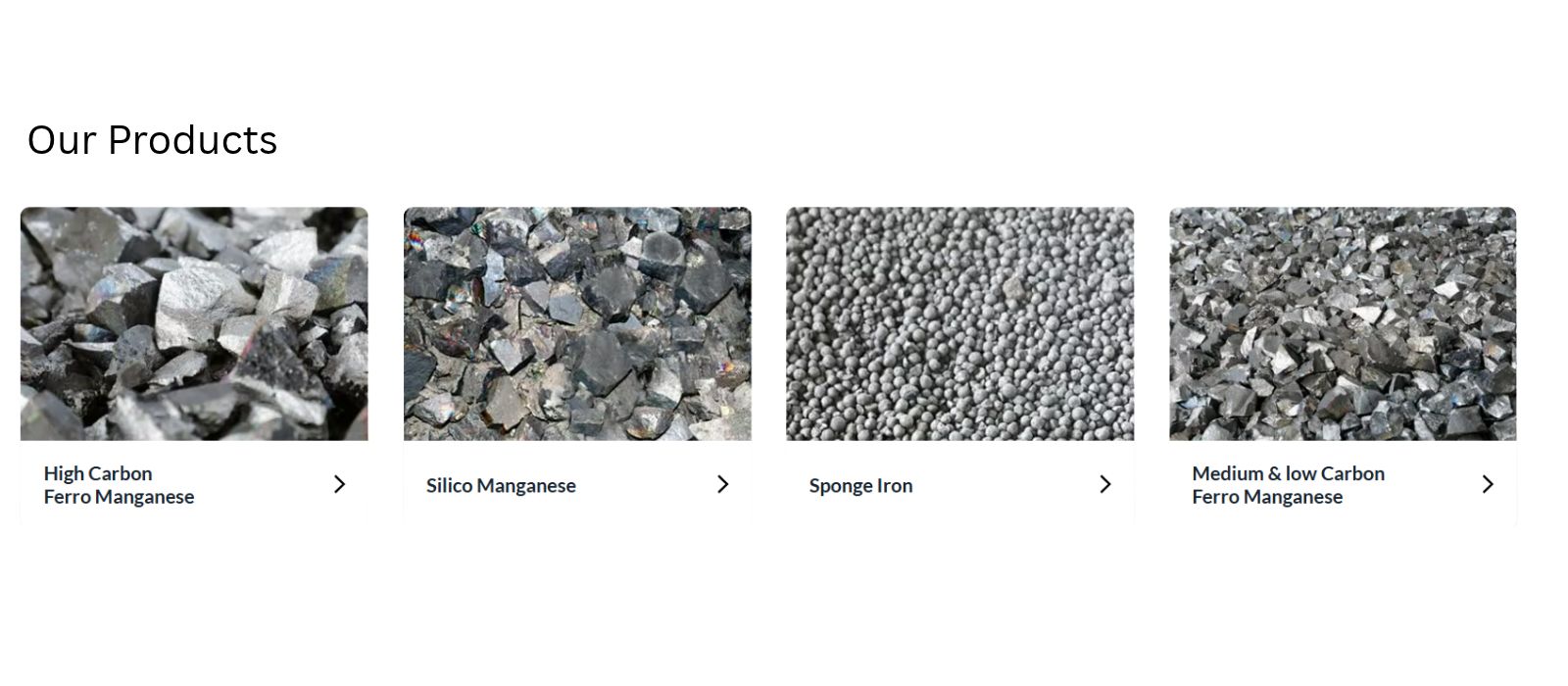
Bihar Foundry & Castings Limited (BFCL), manufactures ferroalloys for industrial use. Its product range includes low-carbon, medium-carbon, and high-carbon ferro manganese, along with silico manganese.
The company uses the CLU converter process for refined low- and medium-carbon ferro manganese and submerged electric arc furnaces for high-carbon ferro manganese.
For steel manufacturers, the important step is to match the available grade with the chemical requirements of their steelmaking process. Manganese content, carbon limits and other specified elements should be checked against the relevant product specification before an order is finalised.
You can review the available products and specifications on the official BFCL website.
Frequently Asked Questions
Which ferro manganese grade is suitable for stainless steel?
Low-carbon ferro manganese is used in selected stainless steel grades where carbon must be controlled. The final choice depends on the required steel composition.
Can high-carbon ferro manganese be used for construction steel?
Yes, it can be used to manufacture suitable construction steel grades when the carbon contribution is is compatible with the permitted composition of the finished steel.
Why does carbon content matter when choosing ferro manganese?
The alloy adds carbon as well as manganese. If the carbon contribution exceeds the steel’s permitted limit, the manufacturer may struggle to achieve the required chemical composition.
What should buyers check before purchasing ferro manganese?
Buyers should review manganese content, carbon limits, phosphorus and silicon levels where specified, product quality documentation and consistency between batches.
Final Thoughts
The right ferro manganese grade depends on the steel being produced, not simply on which grade is most commonly used. Low-carbon material is useful when carbon must be kept low, medium-carbon material serves selected grades with intermediate requirements, and high-carbon material is widely used where a higher carbon contribution is acceptable.
Checking the chemical specification before purchasing helps steel manufacturers choose a grade that fits their process and the quality requirements of the finished product.
Share:


